





Winter is often seen as a quiet time. But that is precisely when the best plans are made.
More and more organisations are choosing to head out with their team in the winter. Not just to get away for a bit, but to recharge together, sharpen their goals and kick off the year right.
And that hasn't had to be standard for ages.
The power lies not in how far you travel, but in what a destination unlocks within a group. The setting, the programme and the dynamics ultimately determine the effect.
These are a number of destinations that have proven in practice to be strong choices for winter incentives.
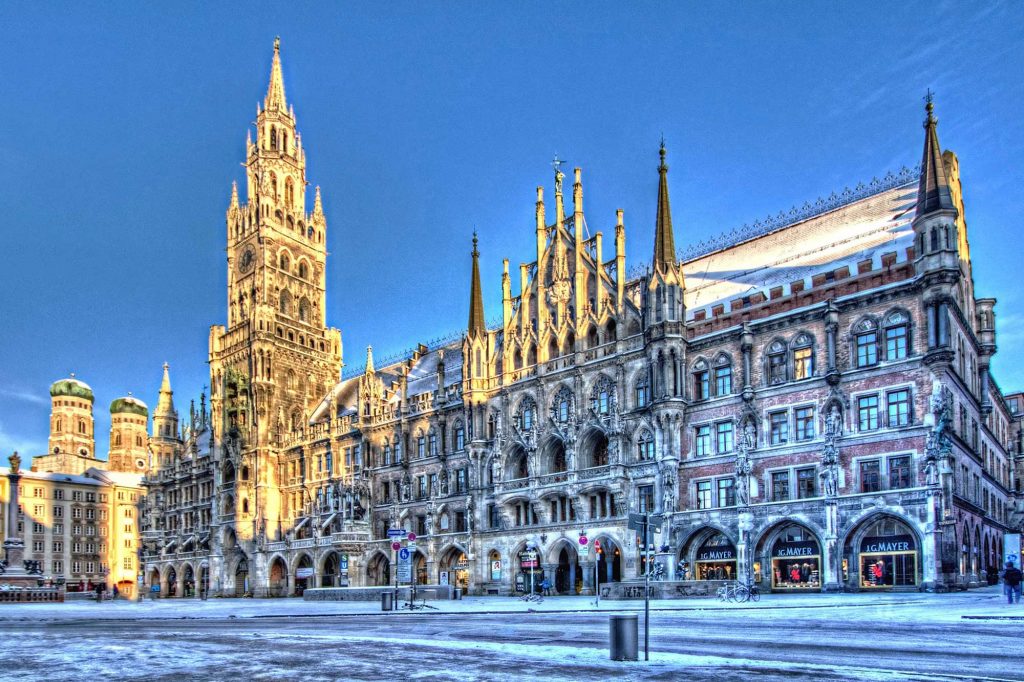
1. Munich: city and Alps in one itinerary
Munich is anything but a standard city break. It is precisely the combination with the Alps that makes this a surprisingly strong winter destination.
During the day you work in an urban setting, and by the afternoon or the following day you are right in the middle of the mountains. That variety brings energy and movement to the programme.
Remember:
• First-class train journey with on-board reception and tasting
• Private beer tasting in a historic cellar
• Helicopter transfer to an alpine lodge
• Fine dining restaurant in the snow
• Après-ski, but in a more exclusive setting
A destination that shows you do not need to travel far for a complete experience.
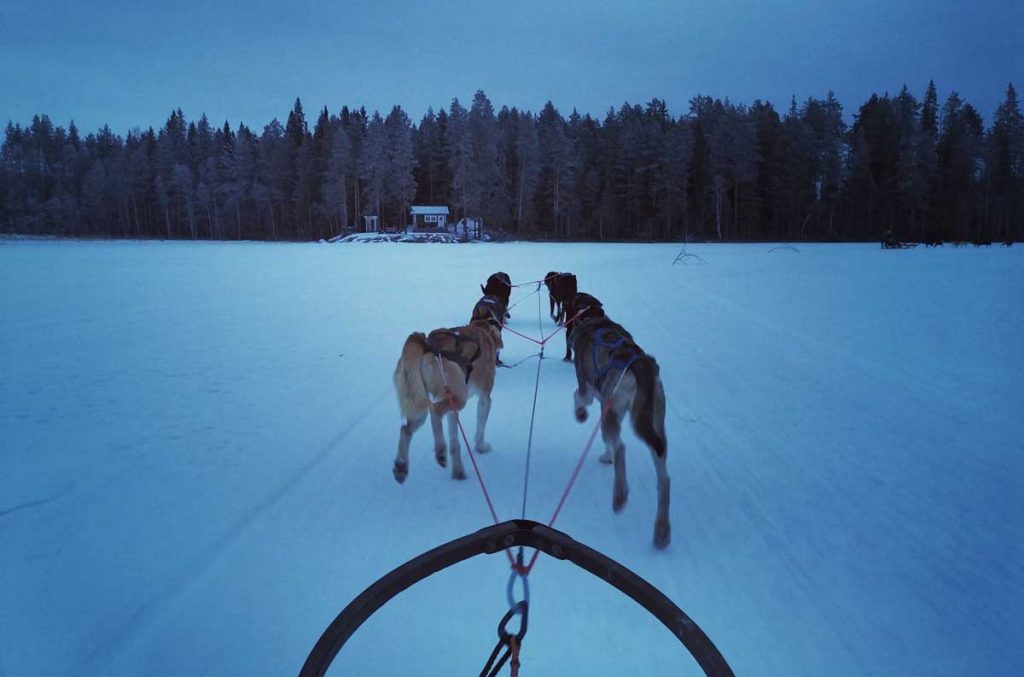
2. Swedish Lapland: back to basics
For teams that really want to break away from their daily context Swedish Lapland an unusual choice.
Here, it is all about peace, nature and simplicity. But combined with comfort and quality.
Remember:
• Overnight stay in glass igloos or design cabins
• Husky safari at sunrise
Northern Lights yacht with a private guide
• Outdoor dining experience in the snow
• Snowmobile trip to remote locations
This is not a high-pressure programme, but an experience that slows down and deepens.
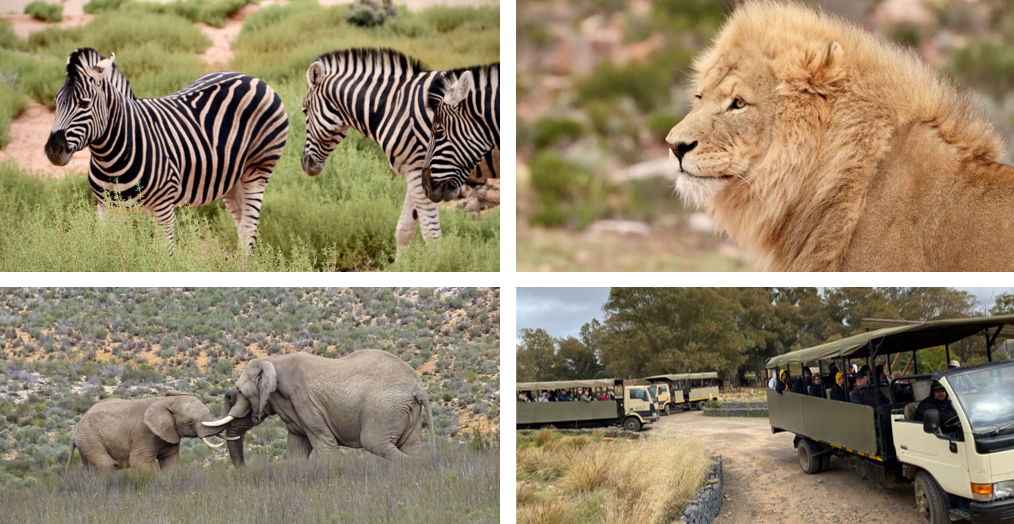
3. South Africa: winter becomes summer
While it is winter in the Netherlands, in South Africa the summer. That contrast immediately makes this destination interesting.
You step out of the cold and arrive in a setting where everything is about space, nature and experience.
Remember:
• Visit to boutique wineries with private tastings
• Safari with ranger and sundowners
• Helicopter flight over Cape Town
• Private dining on the beach
• Local experiences that go beyond standard excursions
A destination that makes an impression while offering space for content and relaxation.
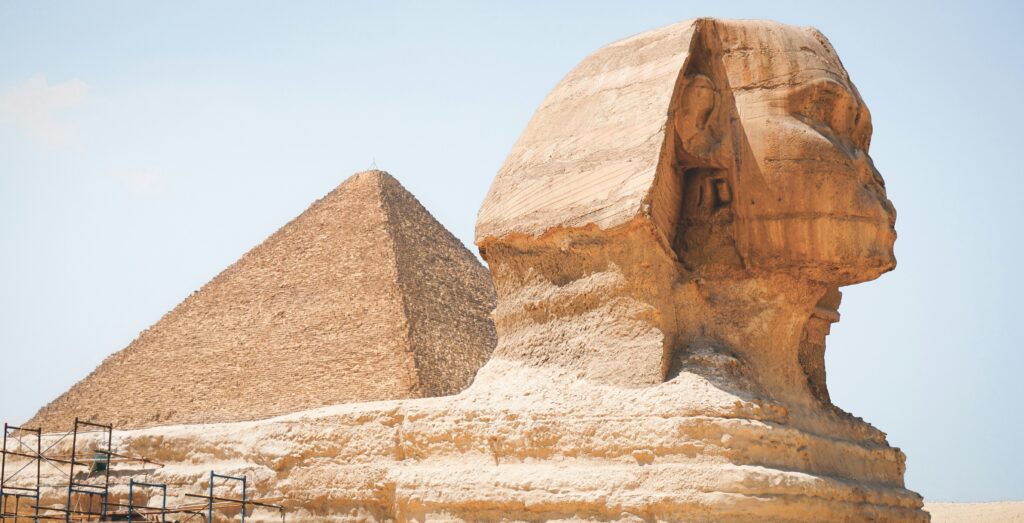
4. Cairo: history and experience combined
For organisations looking for something truly different, Cairo is a surprisingly strong option.
The combination of centuries-old history and a modern interpretation creates a programme that lingers in the memory.
Remember:
• Private access to the pyramids at sunrise
• Dining at unique historic locations
• Nile cruise with live entertainment
• Street food tour with local guide
• Desert experience with 4×4 and campfire
A destination that excites, surprises and sparks conversation.
The destination is only the beginning
What these destinations have in common is that they evoke something. But ultimately, the power does not lie solely in the location.
It is in how you structure the programme. How you find a balance between content and relaxation. And how you ensure that a group truly experiences something together.
An incentive is not a collection of activities, but a journey in which everything has to be right.
Want to organise a winter incentive too?
Winter may still seem far away, but the best locations and programmes are already being booked.
Would you like to know which destination best suits your team and how to build a strong programme around it? We are happy to help you brainstorm.
Frequently asked questions about incentive travel
Een incentive reis is een bijzonder soort reis, vaak een beloning voor werknemers die uitzonderlijke prestaties hebben geleverd. Het kan een motivatie zijn om betere resultaten te behalen of als waardering voor hard werken.
An incentive trip is a reward journey that organisations use to motivate and appreciate employees, teams, or business relations. Such trips are often linked to achievements, anniversaries, or important company objectives.
Businesses organise an incentive trip for a variety of reasons, primarily to motivate and reward their employees. Here are some key motivations:
* **Employee Motivation and Recognition:** Incentive trips are a highly effective way to acknowledge and reward top performers. Achieving a specific sales target, completing a challenging project, or demonstrating exceptional customer service can all be reasons for an employee to earn a trip. This recognition boosts morale and encourages others to strive for similar achievements.
* **Sales Performance Improvement:** For sales teams, incentive trips are a powerful tool to drive higher sales figures. Companies set clear targets, and exceeding these targets leads to the reward of a trip. This creates a competitive environment and encourages salespeople to go the extra mile.
* **Team Building and Camaraderie:** Bringing employees together in a relaxed, non-work environment can foster stronger relationships and improve teamwork. Shared experiences and activities during the trip can break down barriers and build a sense of camaraderie that is beneficial back in the workplace.
* **Employee Retention:** Offering attractive incentives like an incentive trip can be a significant factor in retaining valuable employees. It shows that the company invests in its staff and values their contributions, making them less likely to look for opportunities elsewhere.
* **Product Launches and Training:** Sometimes, incentive trips are combined with product launches or specialised training sessions. This allows employees to learn about new products or skills in an engaging and memorable setting, often in inspiring locations.
* **Company Culture and Values:** Incentive trips can be designed to reinforce company culture and values. The activities, destinations, and overall experience can be tailored to reflect what the company stands for, further embedding these principles in the employee base.
* **Attracting Talent:** The prospect of earning an incentive trip can be a powerful draw for potential new employees, making the company more attractive as an employer.
* **Stress Relief and Recharging:** A well-deserved break can help employees recharge their batteries, reduce stress, and return to work feeling refreshed and more productive.
In essence, incentive trips are a strategic investment for businesses looking to drive performance, foster loyalty, and create a positive and engaged workforce.
Companies use incentive trips to reward employees, connect teams, and boost performance. A well-organised incentive trip fosters motivation, loyalty, and stronger team bonds.
How to organise a successful incentive trip
A successful incentive trip begins with clear objectives. This is followed by developing a programme that suits the team, the destination, and the desired effect. Activities, communication, and experience play an important role in this process.
What does an incentive trip for a company cost?
The cost of an incentive trip depends on the destination, the number of participants, the programme and the level of comfort. For European incentive trips, budgets often range between €1,200 and €2,500 per person, while long-haul trips can be higher.